
June 23, 2025
•By Anix AI Team
•Fintech & AI
The Fintech Revolution in Africa: How AI is Driving Financial Inclusion
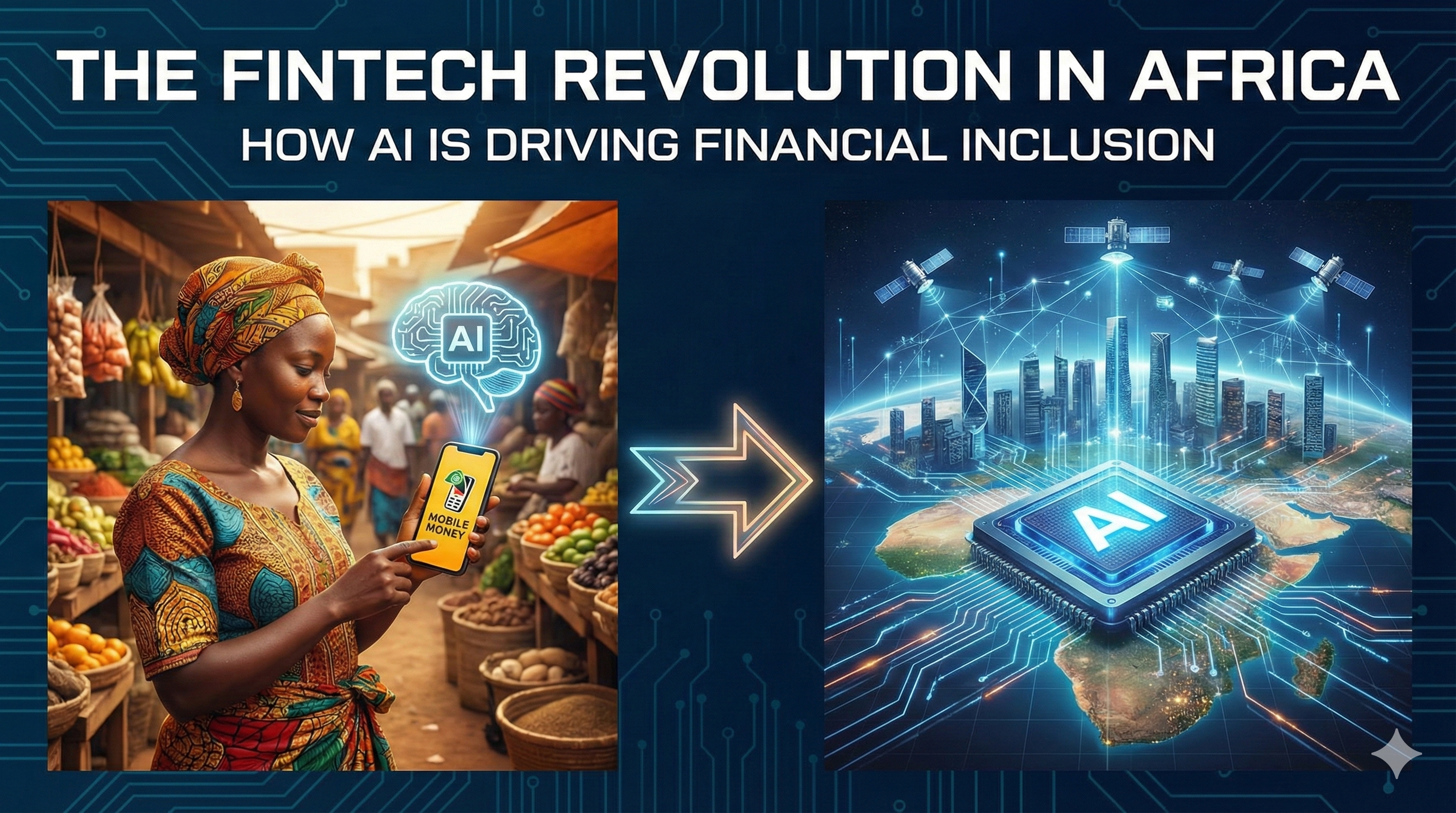
Africa is experiencing a fintech revolution that's transforming how people access and use financial services. With over 400 million adults still unbanked across the continent, AI-powered fintech solutions are breaking down traditional barriers to financial inclusion. From mobile money innovations to AI-driven credit scoring and fraud detection, technology is enabling millions of Africans to participate in the formal economy for the first time. This blog explores how AI is driving Africa's fintech transformation and creating new opportunities for economic empowerment.
Africa's Fintech Landscape: A Continent of Innovation
Africa's fintech sector has emerged as one of the world's most dynamic and innovative financial ecosystems. With over 400 fintech startups across the continent and billions in investment flowing into African financial technology, the sector is addressing fundamental challenges around financial access, inclusion, and economic empowerment. Countries like Kenya, Nigeria, South Africa, and Ghana have become global fintech leaders, developing solutions that are now being adopted worldwide.
The unique challenges of African markets - including limited banking infrastructure, high mobile phone penetration, and large unbanked populations - have created ideal conditions for fintech innovation. AI is playing a crucial role in this transformation, enabling solutions that work effectively in African contexts while addressing the specific needs of African consumers and businesses.
Mobile Money: The Foundation of African Fintech
Mobile money has been the cornerstone of Africa's financial revolution, with services like M-Pesa in Kenya, MTN Mobile Money across West Africa, and Orange Money in francophone countries serving hundreds of millions of users. AI is now enhancing these platforms by improving fraud detection, personalizing financial services, and enabling new products like micro-loans and insurance.
AI-powered analytics help mobile money providers understand user behavior, predict cash flow needs, and optimize agent networks. Machine learning algorithms analyze transaction patterns to detect suspicious activities in real-time, protecting users from fraud while ensuring smooth service delivery across Africa's diverse markets.
AI-Driven Credit Scoring and Lending
Traditional credit scoring methods have failed to serve Africa's largely unbanked population, as most people lack formal credit histories or collateral. AI is revolutionizing credit assessment by analyzing alternative data sources including mobile phone usage, transaction histories, social media activity, and even satellite imagery of farming activities. This approach has enabled millions of Africans to access credit for the first time.
Companies like Branch, Tala, and FairMoney use AI algorithms to assess creditworthiness within minutes, providing instant loans through mobile apps. In Kenya, platforms like M-Shwari and KCB M-Pesa use AI to analyze M-Pesa transaction data to offer micro-loans to users who have never had formal bank accounts. These AI-driven lending platforms have disbursed billions of dollars in loans across Africa, enabling entrepreneurship and economic growth.

Fraud Detection and Security in African Markets
Financial fraud is a significant challenge across Africa, with criminals constantly developing new methods to exploit digital financial services. AI-powered fraud detection systems are essential for protecting users and maintaining trust in digital financial services. These systems analyze transaction patterns, device fingerprints, and user behavior to identify and prevent fraudulent activities in real-time.
Machine learning algorithms continuously learn from new fraud patterns, adapting to emerging threats across different African markets. Companies like Flutterwave and Paystack use sophisticated AI systems to protect merchants and consumers from fraud while enabling seamless cross-border payments across Africa. These systems have reduced fraud rates significantly while improving user experience and trust in digital payments.
Insurance Innovation Through AI
Insurance penetration in Africa remains low, with most people lacking access to affordable insurance products. AI is enabling innovative insurance solutions that are accessible, affordable, and relevant to African consumers. Micro-insurance products powered by AI can assess risks, process claims, and provide coverage for everything from crop failures to mobile phone theft.
In Kenya, companies like ACRE Africa use AI and satellite imagery to provide crop insurance to smallholder farmers, automatically triggering payouts when weather conditions indicate crop losses. Similar AI-driven insurance products are being developed for health, life, and property insurance, making coverage accessible to millions of previously uninsured Africans.
Cross-Border Payments and Remittances
Remittances are crucial for many African economies, with millions of people sending money across borders to support families and businesses. Traditional remittance services are often expensive and slow, but AI-powered fintech solutions are making cross-border payments faster, cheaper, and more accessible. Companies like Chipper Cash, Sendwave, and Remitly use AI to optimize currency exchange rates, detect fraud, and streamline compliance processes.
AI algorithms analyze market conditions, regulatory requirements, and user preferences to provide the best possible exchange rates and fastest delivery times. These systems also help ensure compliance with anti-money laundering regulations across different African countries, enabling seamless cross-border financial flows.
Digital Banking and Neobanks
Digital-only banks are emerging across Africa, offering full banking services through mobile apps without physical branches. AI powers these neobanks by enabling personalized financial advice, automated savings programs, and intelligent spending insights. Banks like Kuda in Nigeria, TymeBank in South Africa, and Liv Bank in Egypt use AI to provide superior customer experiences while keeping costs low.
AI-powered chatbots provide 24/7 customer support in multiple languages, while machine learning algorithms analyze spending patterns to provide personalized financial advice and budgeting recommendations. These digital banks are particularly popular among young Africans who prefer mobile-first financial services.

Investment and Wealth Management
AI is democratizing investment and wealth management across Africa by making sophisticated financial services accessible to ordinary consumers. Robo-advisors powered by AI can provide investment advice, portfolio management, and financial planning services at a fraction of the cost of traditional wealth management. Platforms like Cowrywise in Nigeria and 22seven in South Africa use AI to help users save, invest, and build wealth.
These AI-powered platforms analyze user financial data, risk tolerance, and investment goals to provide personalized investment recommendations. They also use machine learning to optimize portfolio performance and provide real-time market insights, enabling more Africans to participate in capital markets and build long-term wealth.
Regulatory Technology (RegTech) and Compliance
Regulatory compliance is a major challenge for fintech companies operating across Africa's diverse regulatory landscape. AI-powered RegTech solutions are helping fintech companies navigate complex compliance requirements while reducing costs and improving efficiency. These systems can automatically monitor transactions for suspicious activities, generate regulatory reports, and ensure compliance with local and international regulations.
Machine learning algorithms can analyze regulatory changes across different African countries and automatically update compliance procedures, helping fintech companies expand across borders while maintaining regulatory compliance. This is particularly important as African countries work toward harmonizing financial regulations through initiatives like the African Continental Free Trade Area.
Financial Education and Literacy
Low financial literacy is a significant barrier to financial inclusion across Africa. AI is helping address this challenge by providing personalized financial education and guidance through mobile apps and chatbots. These systems can assess users' financial knowledge, identify areas for improvement, and provide targeted educational content in local languages.
AI-powered financial coaches can provide real-time advice on budgeting, saving, and investing, helping users develop better financial habits. Gamification elements powered by AI make financial education more engaging and effective, particularly for young users who are just beginning their financial journeys.
Challenges and Opportunities
While AI-powered fintech solutions offer tremendous opportunities for financial inclusion in Africa, several challenges must be addressed. Data privacy and security concerns are paramount, as financial services handle sensitive personal and financial information. Regulatory uncertainty in some markets can slow innovation, while the digital divide means that some populations may be left behind.
However, the opportunities far outweigh the challenges. With continued investment in infrastructure, education, and regulatory frameworks, AI-powered fintech can help achieve universal financial inclusion across Africa. The key is ensuring that these technologies are designed with African users in mind, addressing local needs and building on existing financial behaviors and preferences.
The Future of AI in African Fintech
The future of African fintech is increasingly AI-driven, with emerging technologies like blockchain, IoT, and 5G networks creating new possibilities for financial innovation. Central Bank Digital Currencies (CBDCs) are being explored across Africa, with AI playing a crucial role in their design and implementation. Open banking initiatives will enable new AI-powered financial services that leverage data from multiple sources to provide better customer experiences.
As AI technology becomes more sophisticated and accessible, we can expect to see even more innovative fintech solutions emerging from Africa. The continent's young, tech-savvy population and growing digital infrastructure provide an ideal environment for continued fintech innovation and growth.
Conclusion
AI is driving a fintech revolution across Africa that's transforming how people access and use financial services. From mobile money and digital lending to insurance and investment platforms, AI-powered solutions are breaking down barriers to financial inclusion and creating new opportunities for economic empowerment. As these technologies continue to evolve and mature, they will play an increasingly important role in Africa's economic development and prosperity.
The success of AI in African fintech demonstrates the continent's capacity for innovation and its potential to lead global financial technology development. By continuing to invest in AI-powered fintech solutions that address local needs and challenges, Africa can achieve universal financial inclusion and unlock the economic potential of its 1.3 billion people.