
June 23, 2025
•By Anix AI Team
•Generative AI
Demystifying Generative AI: How Africa is Embracing AI Beyond ChatGPT
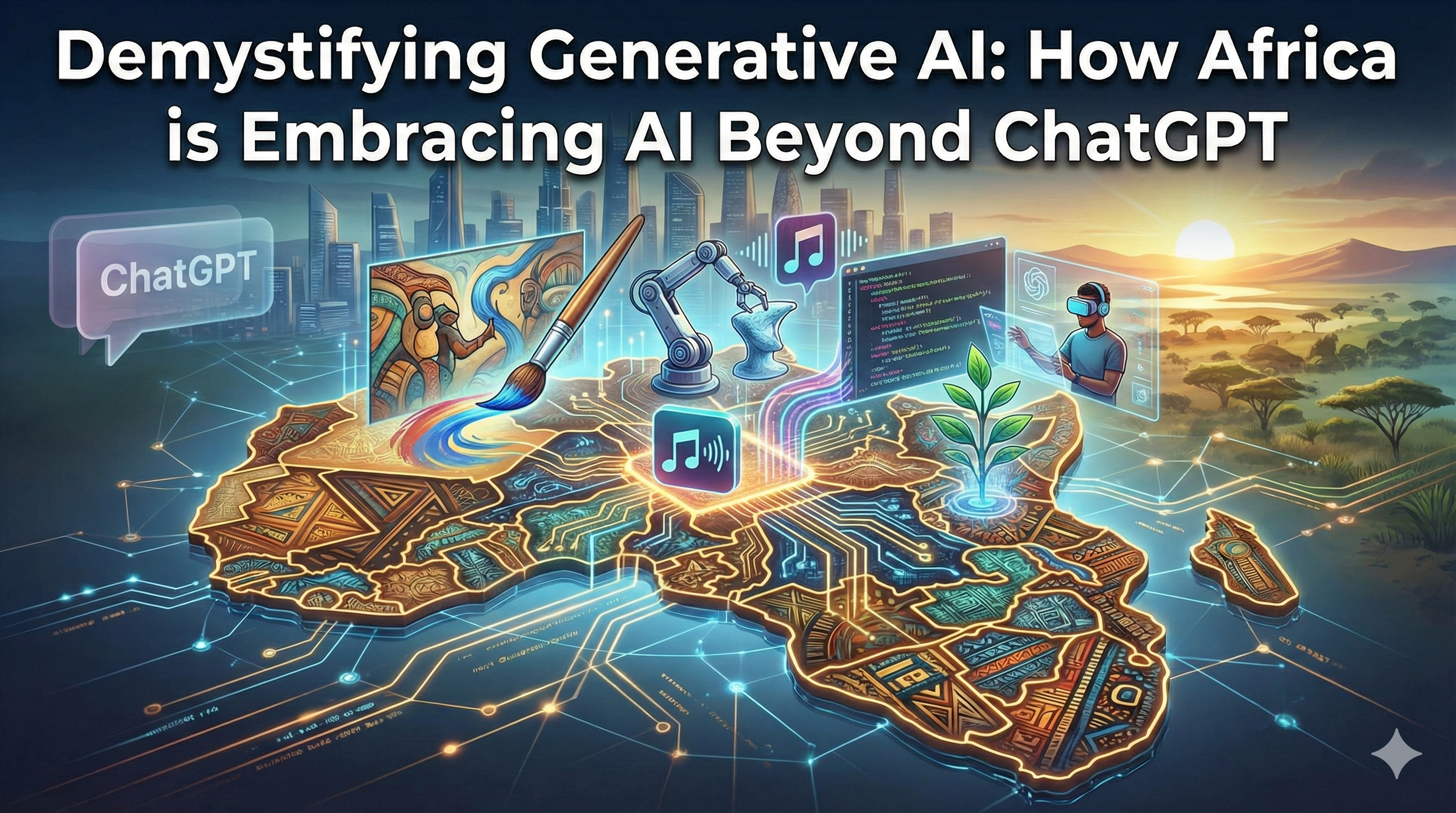
Africa is experiencing a remarkable AI revolution, with Generative AI leading the charge in transforming businesses across the continent. While tools like ChatGPT have gained popularity, they represent just the beginning of what's possible for African enterprises. This blog explores how generative AI is creating unprecedented opportunities for African businesses to leapfrog traditional limitations and compete globally.
Introduction
Africa is experiencing a remarkable transformation in artificial intelligence adoption. Across the continent, from Lagos to Nairobi, Cape Town to Cairo, businesses are discovering the power of Generative AI. While tools like ChatGPT have gained popularity among African tech enthusiasts and entrepreneurs, they represent just the beginning of what's possible for the continent's rapidly growing digital economy. In this blog, we explore how generative AI is creating unprecedented opportunities for African businesses to leapfrog traditional limitations and compete on the global stage.
What is Generative AI for African Businesses?
Generative AI refers to artificial intelligence models that can create original content - text, images, videos, music, and code. For African businesses, this technology represents a unique opportunity to overcome traditional barriers like limited access to specialized talent or expensive creative resources. Unlike traditional AI that analyzes existing data, generative AI produces new, original outputs based on patterns learned from vast datasets. This capability is particularly powerful for African enterprises looking to scale rapidly and compete globally without the traditional infrastructure investments.
ChatGPT's Growing Impact Across Africa
ChatGPT has become increasingly popular across African universities, startups, and tech hubs. From students in Accra using it for research to entrepreneurs in Johannesburg drafting business plans, ChatGPT has introduced many Africans to the power of AI. However, this is just the tip of the iceberg. The real opportunity for African businesses lies in understanding how generative AI can address continent-specific challenges - from language diversity and financial inclusion to agricultural optimization and healthcare accessibility.
Generative AI
African Creative Industries Embracing AI Art
African creative industries are embracing AI-powered image generation with remarkable results. From fashion designers in Lagos creating unique textile patterns inspired by traditional African motifs to tourism boards in Kenya generating promotional materials showcasing the continent's natural beauty, tools like DALL·E and Midjourney are democratizing creative production. South African advertising agencies are using AI to create culturally relevant campaigns that resonate with local audiences, while Ghanaian artists are exploring new forms of digital art that blend traditional African aesthetics with modern technology.
Music and Audio Generation: Preserving African Heritage
Generative AI is revolutionizing how African musicians and content creators approach music production. Tools like Google's MusicLM and AIVA are being used to compose music that incorporates traditional African rhythms and instruments. From Afrobeat to traditional folk music, AI can generate original compositions that honor African musical heritage while creating new sounds. This is particularly valuable for African filmmakers, podcast creators, and digital content producers who need authentic African soundscapes but lack access to expensive recording studios.
Video Creation for African Storytelling
AI-powered video generation is opening new possibilities for African storytellers and educators. Imagine describing scenes of wildlife in the Serengeti or traditional markets in Marrakech, and AI creates compelling video content. While this technology is still evolving, African content creators are already exploring its potential for educational content, tourism promotion, and cultural preservation. This is particularly exciting for African filmmakers who can now create compelling visual content with limited budgets.
Bridging Africa's Digital Skills Gap with AI
Generative AI is helping bridge Africa's digital skills gap in software development. Tools like GitHub Copilot are assisting African developers by writing code, fixing bugs, and suggesting improvements in real-time. This is particularly valuable in countries where access to formal computer science education is limited. Young African developers in Nigeria, Kenya, and Ghana are using AI coding assistants to learn faster and build more sophisticated applications, accelerating the continent's tech ecosystem growth.
Personalization for African Markets
African businesses are leveraging generative AI to create personalized content that resonates with diverse local markets. E-commerce platforms like Jumia are exploring AI-generated product descriptions in local languages, while African banks are using AI to create personalized financial education content. This localized, AI-driven personalization helps African businesses connect more deeply with customers across the continent's diverse cultures and languages.
Healthcare Innovation Across Africa
Generative AI is contributing to healthcare innovation across Africa, where access to medical expertise is often limited. AI models are being used to generate medical training content in local languages, create patient education materials, and assist in drug discovery for diseases prevalent in Africa like malaria and tuberculosis. African researchers are using AI to analyze medical data and generate insights for breakthrough treatments addressing continent-specific health challenges.
Ethical AI Development in Africa
As Africa embraces generative AI, there's growing focus on ethical and responsible development. African AI researchers are working to ensure AI systems are culturally sensitive, linguistically inclusive, and address local needs. There's particular attention to preventing bias against African languages, cultures, and contexts. Organizations like Deep Learning Indaba and AI4D Africa are leading efforts to ensure AI development benefits local communities.
The Future of AI in Africa
The future of generative AI in Africa is incredibly promising. As internet connectivity improves and smartphone adoption increases, more African businesses will access these powerful tools. We expect AI applications designed for African contexts - from agricultural advisory systems understanding local farming practices to educational tools preserving African languages. The key is ensuring Africa actively participates in AI development and governance, not just consumption.
Conclusion
Generative AI represents a transformative opportunity for Africa to leapfrog traditional development challenges and compete globally. From creative industries to healthcare, education to agriculture, AI enables African businesses to innovate, scale, and solve local problems with world-class solutions. The focus should be on building African AI capabilities, ensuring inclusive access, and developing solutions that serve the continent's unique needs. The AI revolution in Africa is just beginning.