
June 23, 2025
•By Anix AI Team
•Business Automation
From Manual to Machine: AI Process Automation for African Businesses
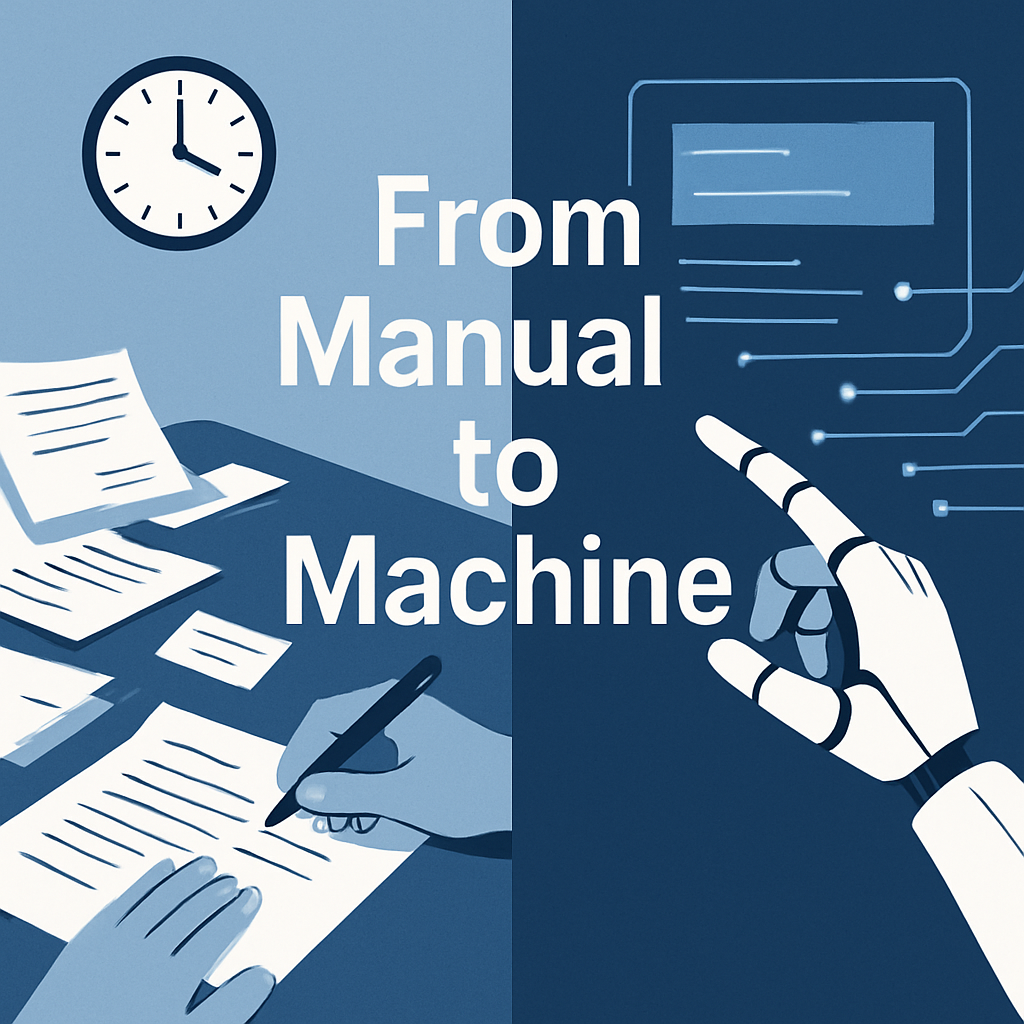
The shift from manual processes to intelligent automation represents a transformative opportunity for African businesses to overcome traditional operational challenges. As companies across the continent seek to improve efficiency while managing resource constraints, AI-powered process automation is becoming essential for competitiveness. This guide explores how African businesses can build repeatable, scalable automations that address continent-specific challenges.
Understanding Process Automation in the African Context
Business process automation in Africa must address unique challenges including limited technical infrastructure, diverse regulatory environments, and varying levels of digital literacy. AI-powered automation goes beyond simple task completion to provide intelligent decision-making that adapts to local conditions and constraints.
Unlike traditional automation that follows rigid rules, AI automation can handle the variability and complexity common in African business environments. This includes managing multiple currencies, languages, and regulatory requirements while maintaining efficiency and accuracy.
Identifying Automation Opportunities in African Businesses
African businesses should prioritize automating processes that address specific continental challenges. Document processing for cross-border trade, multilingual customer communications, and compliance reporting across different regulatory frameworks represent high-impact automation opportunities.
Mobile money transaction processing, agricultural supply chain coordination, and healthcare appointment scheduling are examples of processes where automation can deliver significant value while addressing uniquely African needs.
AI Tools and Technologies for African Markets
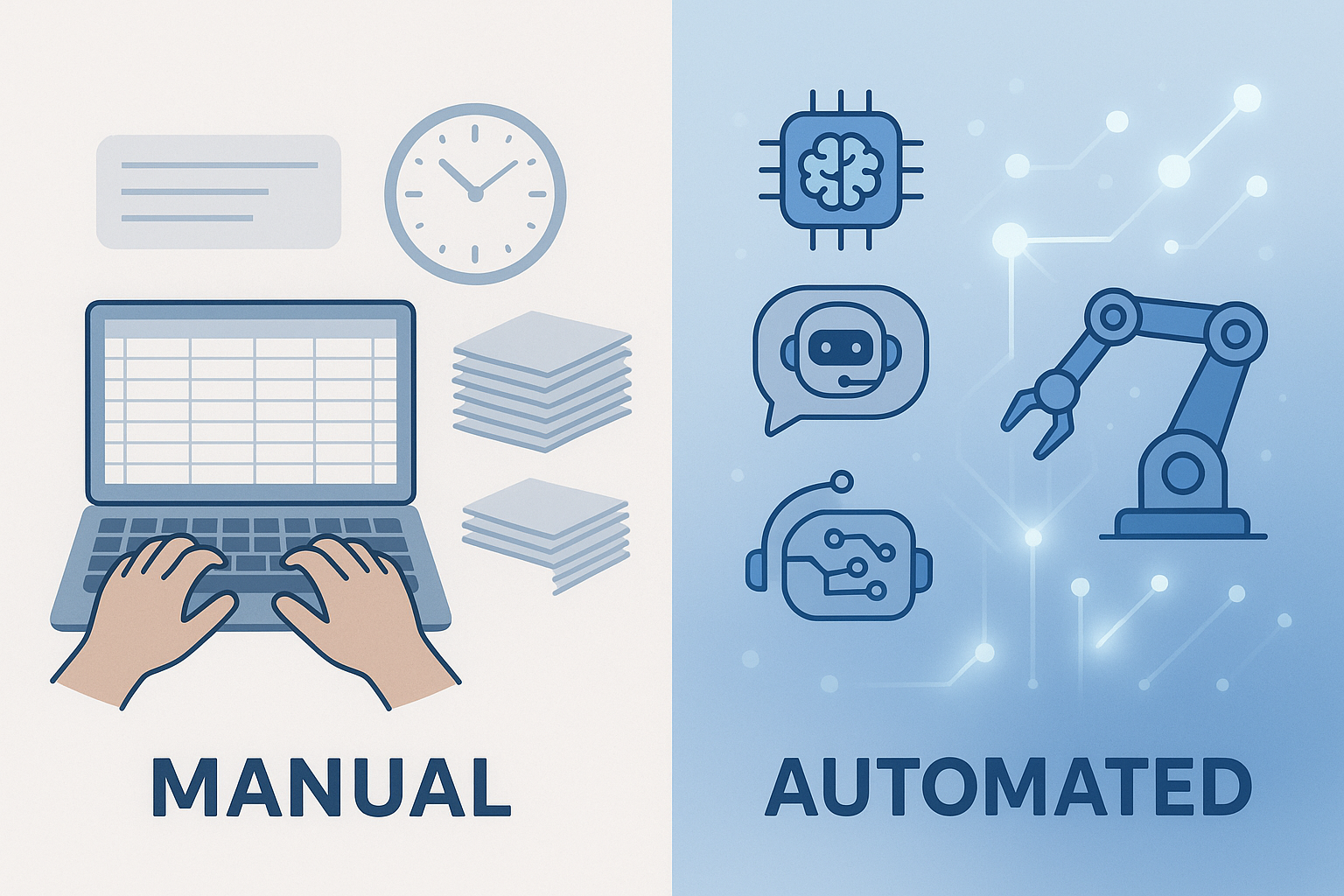
The automation landscape for African businesses includes cloud-based platforms that work with limited internet connectivity, mobile-first solutions that leverage Africa's high smartphone adoption, and tools that support multiple African languages and currencies.
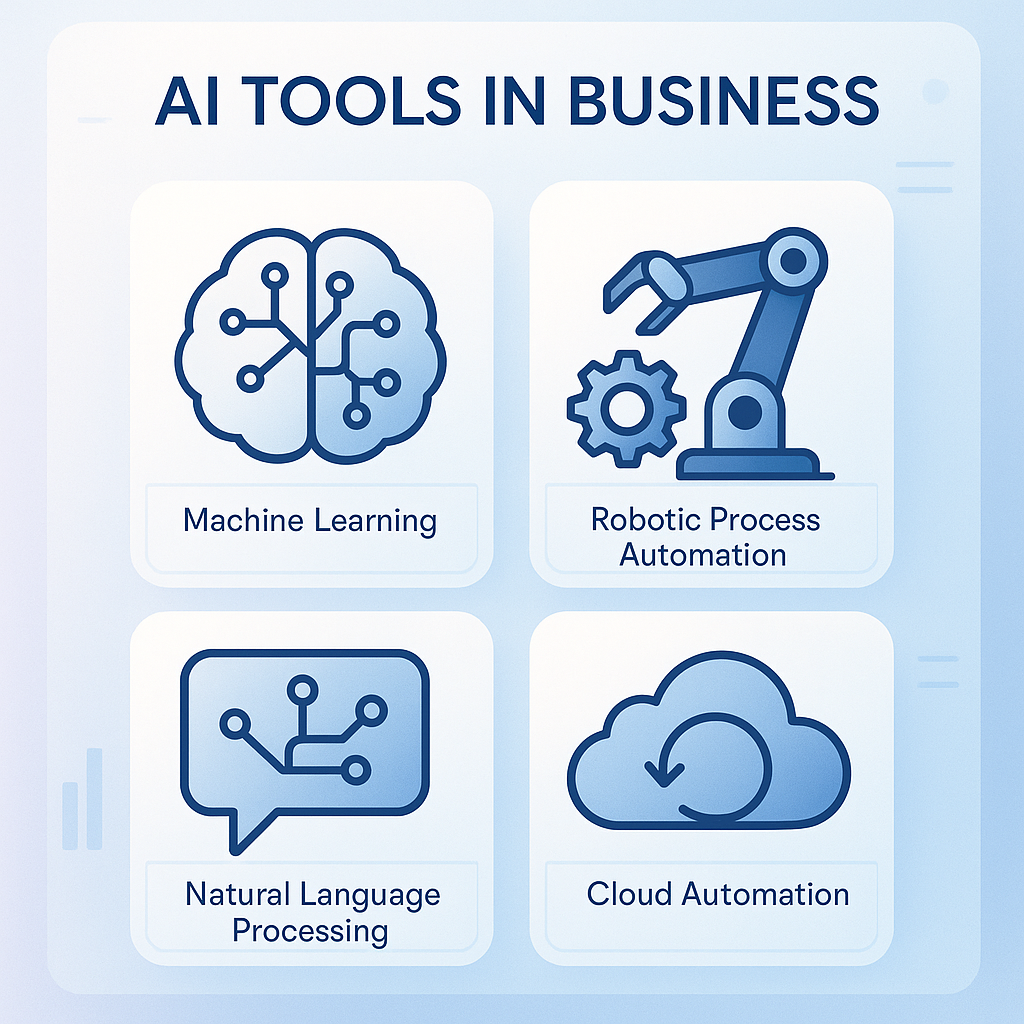
Machine learning algorithms help predict and adapt to local market conditions, while natural language processing enables automation systems to understand and respond in local languages. These technologies are particularly valuable for businesses serving diverse African markets.
Building Automation Strategies for African Enterprises
Successful automation in Africa begins with understanding local business practices and constraints. Start with processes that address immediate pain points like manual data entry for regulatory compliance or customer service in multiple languages.
Develop phased implementation approaches that account for infrastructure limitations and staff training needs. This ensures automation projects deliver value while building organizational capability for future expansion.
Implementation Steps for African Businesses
Implementation begins with selecting platforms that work effectively in African environments, including solutions that function with intermittent internet connectivity and integrate with popular African business tools like mobile money systems.
Process mapping must account for local variations and exceptions common in African business environments. Testing phases should include scenarios specific to African markets, such as cross-border transactions and multilingual customer interactions.
Overcoming African-Specific Automation Challenges
Infrastructure limitations require automation solutions designed for mobile-first environments with offline capabilities. Address connectivity issues by choosing platforms that can synchronize data when connections are available and function independently when offline.
Language diversity requires automation systems that can handle multiple African languages and dialects. Cultural sensitivity in automated communications is crucial for maintaining customer relationships and business reputation.
Measuring Success in African Markets
Success metrics for African automation projects should include factors like cross-border transaction efficiency, multilingual customer satisfaction, and compliance with diverse regulatory requirements. Track improvements in serving underbanked populations and rural markets.
Calculate ROI by including benefits like improved financial inclusion, enhanced customer reach across language barriers, and reduced compliance costs across multiple African jurisdictions.
Scaling Automation Across African Operations
Successful scaling requires automation frameworks that can adapt to different African markets while maintaining consistency. Build solutions that can handle varying regulatory requirements, currencies, and business practices across different countries.
Create centers of excellence that understand both automation technology and African market dynamics. This combination of technical and local expertise is crucial for successful expansion across the continent.
Future of Automation in Africa
The future of business automation in Africa includes AI systems specifically designed for African contexts, with enhanced understanding of local languages, business practices, and market conditions. These systems will better serve the continent's unique opportunities and challenges.
Low-code and no-code platforms are making automation accessible to African businesses without extensive technical resources, democratizing access to intelligent automation across the continent.
Conclusion: Automation as Africa's Competitive Advantage

The journey from manual processes to AI-powered automation represents a significant opportunity for African businesses to leapfrog traditional limitations and compete globally. Success requires understanding both automation technology and African market dynamics.
Start with pilot projects that address specific African challenges and demonstrate clear value. Focus on processes where automation can improve financial inclusion, enhance customer service across language barriers, and reduce operational complexity.
The businesses that begin their automation journey today will be best positioned to lead Africa's digital transformation. Every day spent on manual processes represents missed opportunities for improved efficiency, enhanced customer experiences, and competitive advantage in growing African markets.