
June 23, 2025
•By Anix AI Team
•AI in Agriculture
AI Transforming African Agriculture: From Smallholder Farms to Continental Food Security
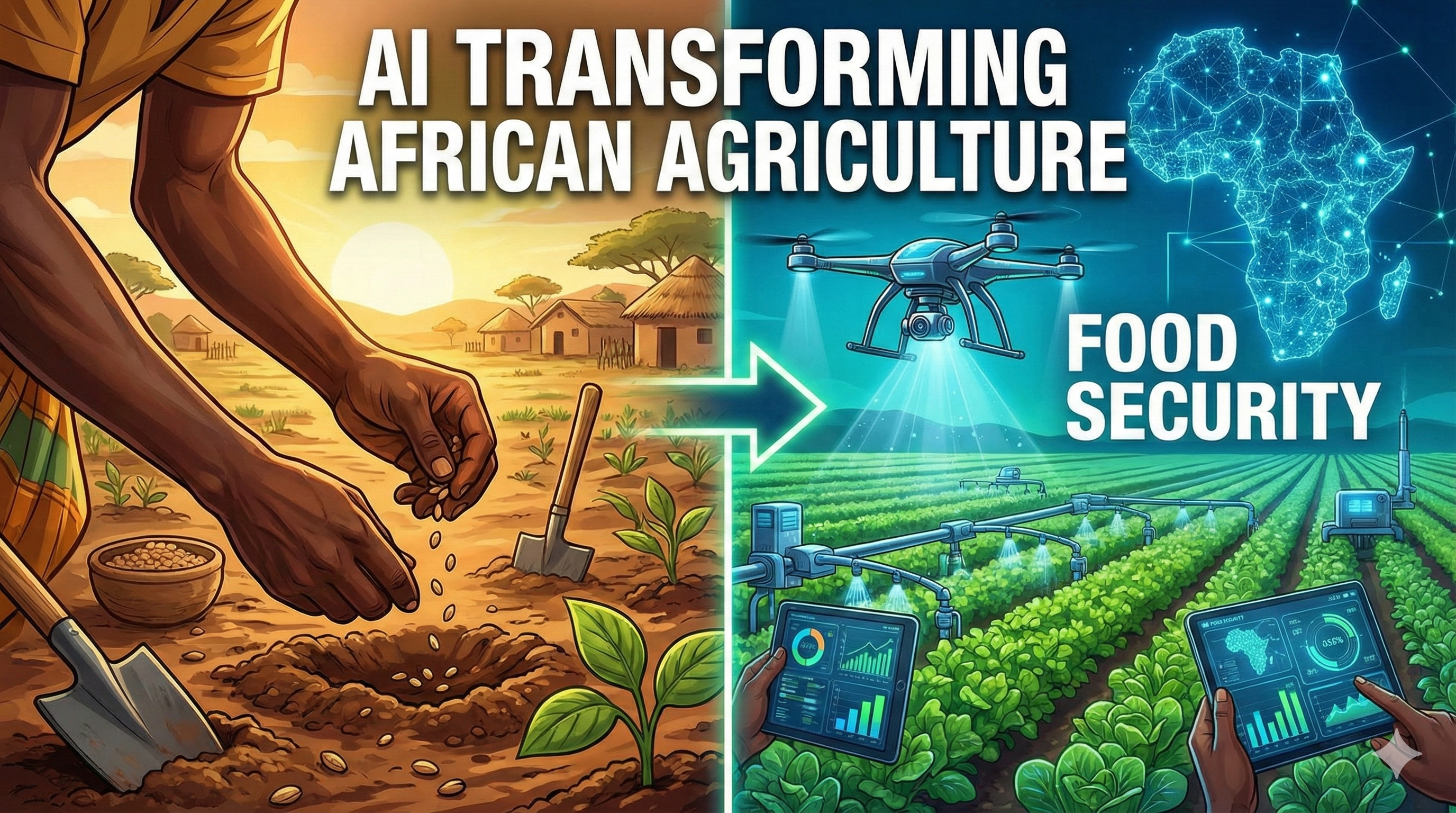
Agriculture employs over 60% of Africa's population and contributes significantly to the continent's GDP. However, African farmers face unique challenges including climate change, limited access to information, and inefficient supply chains. Artificial Intelligence is emerging as a powerful tool to address these challenges, offering solutions from precision farming and crop monitoring to market access and financial inclusion. This blog explores how AI is revolutionizing African agriculture and creating opportunities for sustainable food security across the continent.
The State of African Agriculture
African agriculture is at a critical juncture. With over 600 million people dependent on farming for their livelihoods, the sector faces mounting pressures from climate change, population growth, and evolving market demands. Smallholder farmers, who produce 80% of Africa's food, often lack access to modern farming techniques, weather information, and fair market prices. However, the rapid adoption of mobile technology across Africa has created unprecedented opportunities to deliver AI-powered solutions directly to farmers' hands.
Countries like Kenya, Nigeria, and Ghana are leading the way in agricultural innovation, with tech hubs developing solutions specifically designed for African farming conditions. From drought-resistant crop recommendations to pest identification apps, AI is helping African farmers increase yields while building resilience against climate challenges.
Precision Farming for African Smallholders
Precision farming, once exclusive to large commercial operations, is now accessible to African smallholder farmers through AI-powered mobile applications. Platforms like iCow in Kenya and Farmerline in Ghana use AI to provide personalized farming advice based on local conditions, crop types, and weather patterns. These systems analyze satellite imagery, weather data, and soil conditions to recommend optimal planting times, fertilizer application, and irrigation schedules.
In Rwanda, the government has partnered with tech companies to deploy AI-driven agricultural advisory services that reach farmers via SMS in local languages. These systems have helped increase crop yields by up to 30% while reducing input costs, demonstrating the transformative potential of AI for African agriculture.
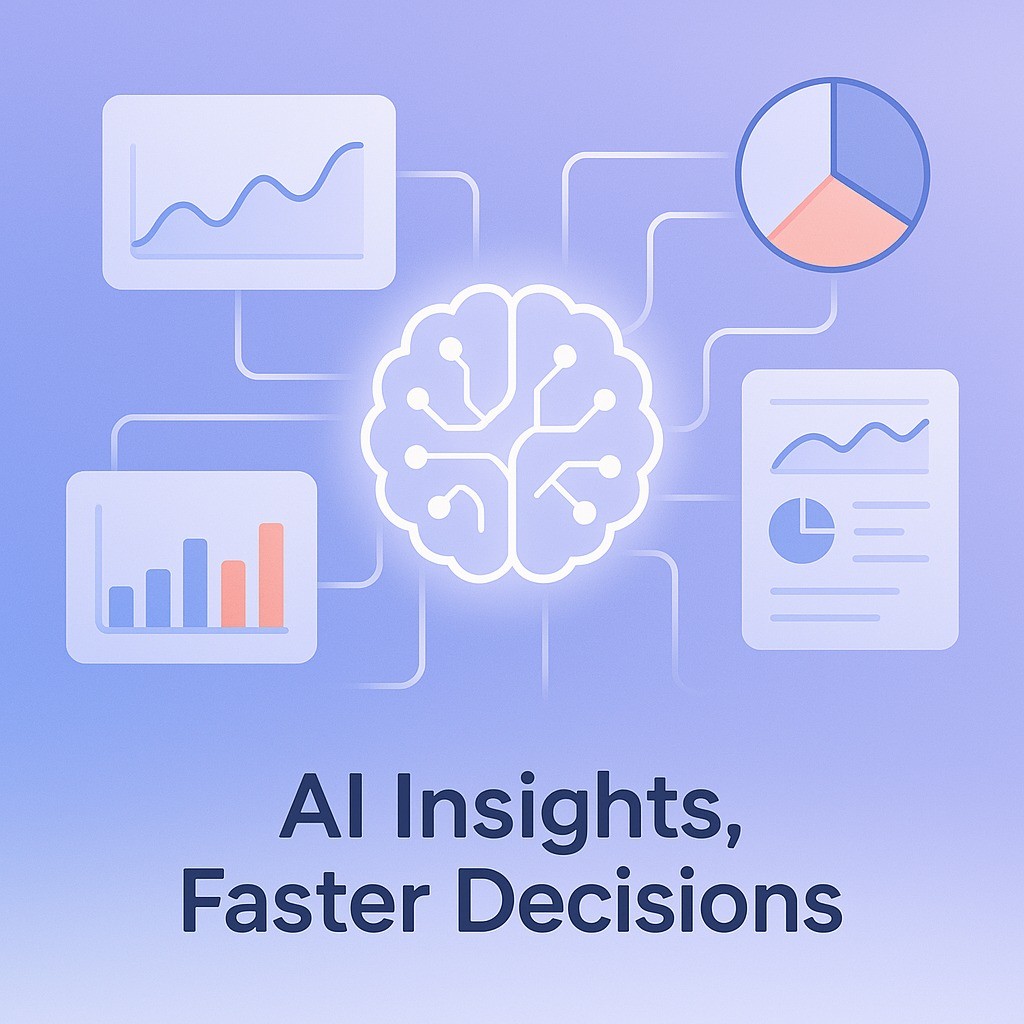
AI-powered precision farming in action
Climate-Smart Agriculture Solutions
Climate change poses significant challenges to African agriculture, with changing rainfall patterns, increasing temperatures, and extreme weather events affecting crop production. AI-powered climate-smart agriculture solutions are helping farmers adapt to these challenges by providing accurate weather forecasts, drought early warning systems, and climate-resilient crop recommendations.
In Ethiopia, AI systems analyze historical weather data and current conditions to predict drought risks and recommend appropriate farming strategies. Similar systems in Senegal help farmers optimize water usage during dry seasons, while AI-powered irrigation systems in Morocco automatically adjust water delivery based on soil moisture and weather forecasts.
Crop Disease and Pest Management
Plant diseases and pests cause significant crop losses across Africa, with farmers often lacking access to agricultural extension services for timely diagnosis and treatment. AI-powered image recognition systems are revolutionizing pest and disease management by enabling farmers to identify problems using smartphone cameras. PlantNet and similar applications allow African farmers to photograph affected crops and receive instant diagnosis and treatment recommendations.
In Uganda, AI systems have been deployed to combat the fall armyworm, a devastating pest that threatens maize production across Africa. These systems use machine learning to identify early infestations and recommend targeted interventions, helping farmers protect their crops and maintain food security.
Supply Chain Optimization and Market Access
One of the biggest challenges facing African farmers is accessing fair markets for their produce. AI is transforming agricultural supply chains by connecting farmers directly with buyers, optimizing logistics, and providing real-time market price information. Platforms like Twiga Foods in Kenya use AI to predict demand, optimize inventory, and connect smallholder farmers with urban markets.
In Nigeria, AI-powered platforms are helping farmers access better prices by providing market intelligence and connecting them with processors and exporters. These systems analyze market trends, transportation costs, and demand patterns to help farmers make informed decisions about when and where to sell their produce.
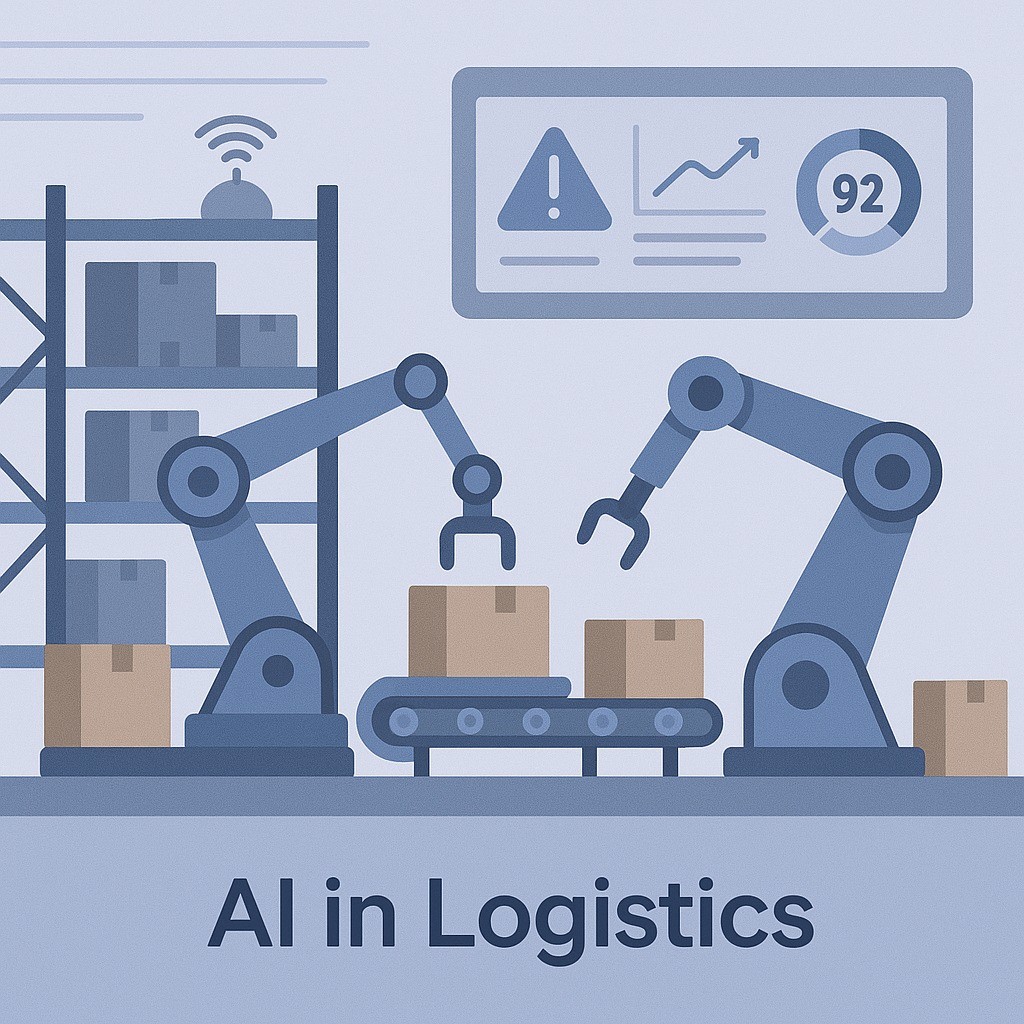
AI optimizing agricultural supply chains
Financial Inclusion and Credit Access
Access to credit remains a major barrier for African farmers looking to invest in improved seeds, fertilizers, and equipment. AI is revolutionizing agricultural finance by enabling alternative credit scoring methods that consider farming data, weather patterns, and market conditions. Companies like Apollo Agriculture in Kenya use AI to assess farmer creditworthiness based on satellite imagery, mobile phone data, and farming practices.
These AI-driven credit systems have enabled thousands of African farmers to access loans and insurance products previously unavailable to them. By analyzing crop performance, weather risks, and market conditions, AI helps financial institutions better understand and serve the agricultural sector.
Livestock Management and Animal Health
Livestock farming is crucial to African agriculture, providing income, nutrition, and cultural value across the continent. AI is transforming livestock management through applications that monitor animal health, optimize feeding schedules, and predict breeding cycles. In Kenya, the iCow platform uses AI to provide dairy farmers with personalized advice on cattle management, nutrition, and health care.
Veterinary diagnostic tools powered by AI are helping address the shortage of veterinary services in rural Africa. These systems can analyze symptoms, recommend treatments, and connect farmers with veterinary professionals when needed, improving animal health outcomes across the continent.
Water Resource Management
Water scarcity is a growing challenge across Africa, making efficient water management critical for agricultural sustainability. AI-powered irrigation systems are helping farmers optimize water usage by analyzing soil moisture, weather forecasts, and crop water requirements. These systems automatically adjust irrigation schedules to minimize water waste while maximizing crop yields.
In South Africa, AI systems are being used to manage water resources across large agricultural regions, predicting water demand and optimizing distribution to ensure sustainable usage. Similar systems in Morocco and Egypt are helping farmers adapt to increasing water scarcity through precision irrigation and drought management strategies.
Building Agricultural Resilience Through Data
AI is helping build more resilient agricultural systems across Africa by collecting and analyzing vast amounts of data on weather patterns, soil conditions, crop performance, and market trends. This data-driven approach enables farmers and policymakers to make informed decisions about crop selection, resource allocation, and risk management.
National agricultural agencies across Africa are using AI to monitor food security, predict harvest outcomes, and plan interventions to prevent food crises. These systems provide early warning of potential shortages and help coordinate responses to ensure food security across the continent.
Challenges and Opportunities
While AI offers tremendous potential for African agriculture, several challenges must be addressed. Limited internet connectivity in rural areas, low smartphone adoption among older farmers, and the need for locally relevant AI models trained on African data are key barriers. However, innovative solutions like offline-capable apps, voice-based interfaces, and partnerships with mobile network operators are helping overcome these challenges.
The opportunity for AI in African agriculture is immense. With proper investment in infrastructure, training, and locally relevant solutions, AI can help transform African agriculture from subsistence farming to productive, sustainable, and profitable enterprises that ensure food security for the continent's growing population.
The Future of AI in African Agriculture
The future of African agriculture is increasingly digital and AI-driven. Emerging technologies like drone-based crop monitoring, blockchain for supply chain transparency, and IoT sensors for precision farming are being integrated with AI to create comprehensive agricultural ecosystems. These integrated solutions will enable African farmers to compete globally while building sustainable and resilient food systems.
As AI technology becomes more accessible and affordable, we can expect to see widespread adoption across African agriculture. The key is ensuring that these technologies are designed with African farmers in mind, addressing local challenges and building on existing knowledge and practices.
Conclusion
AI is transforming African agriculture from traditional farming methods to modern, data-driven practices that increase productivity, sustainability, and profitability. From precision farming and climate adaptation to market access and financial inclusion, AI is addressing the key challenges facing African farmers while creating new opportunities for growth and development.
The success of AI in African agriculture depends on continued investment in infrastructure, education, and locally relevant solutions. By embracing AI while building on traditional knowledge and practices, African agriculture can achieve food security, economic growth, and environmental sustainability for generations to come.