
June 23, 2025
•By Anix AI Team
•AI in CRM
AI Integration with CRM Systems: Smarter Customer Insights for African Markets
In Africa's diverse and rapidly growing markets, customer expectations are evolving faster than ever. African businesses need CRM systems that understand local cultures, languages, and business practices while providing global-standard customer experiences. AI integration is transforming how companies across the continent gain customer insights, personalize interactions, and drive sales growth in uniquely African contexts.
Understanding CRM Challenges in African Markets
CRM systems in Africa must handle unique complexities including multiple languages, diverse cultural preferences, varying levels of digital literacy, and different communication channels. Traditional CRM systems often fail to capture the nuances of African customer relationships, which are built on trust, personal connections, and cultural understanding.
AI integration transforms CRM systems into intelligent platforms that understand African market dynamics, predict customer behavior based on local patterns, and provide insights that help businesses build stronger relationships with diverse customer bases across the continent.
Why AI-Powered CRM is Essential for African Businesses
African businesses face increasing competition from both local and international companies. AI-powered CRM systems provide competitive advantages by understanding local customer preferences, predicting seasonal demand patterns, and personalizing interactions based on cultural contexts.
These systems help African businesses serve customers more effectively while scaling operations across multiple countries with different languages, currencies, and business practices. The result is improved customer satisfaction and increased sales growth.

Gaining Deeper Customer Insights in African Markets
AI analyzes customer behavior patterns specific to African markets, considering factors like mobile money usage, seasonal income variations, and cultural preferences. For example, AI can identify when customers in agricultural regions are most likely to make purchases based on harvest cycles, or predict demand for specific products during cultural celebrations.
This deep understanding enables African businesses to time their marketing efforts effectively, offer relevant products, and build stronger customer relationships based on genuine understanding of local needs and preferences.
Real-Time Analysis for Dynamic African Markets
African markets can change rapidly due to economic conditions, political events, or seasonal factors. AI-powered CRM systems provide real-time analysis that helps businesses respond quickly to changing customer needs and market conditions.
For instance, if economic conditions affect customer purchasing power in a specific region, the AI system can automatically adjust marketing messages and product recommendations to match the new reality, ensuring continued customer engagement and sales.
Lead Scoring for African Customer Journeys
AI lead scoring in African markets considers unique factors like mobile money transaction history, social network influences, and local business relationships. The system learns to identify high-value prospects based on African-specific indicators rather than generic global metrics.
This targeted approach helps African sales teams focus on prospects most likely to convert, improving efficiency and increasing success rates in competitive markets.
Sales Forecasting Across Diverse African Markets
AI analyzes historical sales data alongside African-specific factors like weather patterns, political stability, economic indicators, and cultural events to provide accurate forecasting across different markets. This helps businesses plan inventory, staffing, and marketing campaigns more effectively.
Accurate forecasting is particularly valuable for businesses operating across multiple African countries, where market conditions can vary significantly and traditional forecasting methods often fail to account for local factors.
Personalized Customer Experiences
AI enables African businesses to personalize customer interactions based on cultural preferences, language choices, and local customs. The system can automatically adjust communication styles, product recommendations, and service offerings based on customer profiles and regional preferences.
This personalization helps build trust and loyalty among African customers who value businesses that understand and respect their cultural contexts and individual needs.
Automating Culturally Appropriate Communications
AI automation in African CRM systems goes beyond simple task completion to ensure communications are culturally appropriate and linguistically accurate. The system can generate follow-up messages, appointment reminders, and marketing content that respects local customs and communication styles.
This cultural sensitivity is crucial for maintaining customer relationships and business reputation in African markets where personal relationships and cultural respect are highly valued.
Intelligent Chatbots for African Customer Service
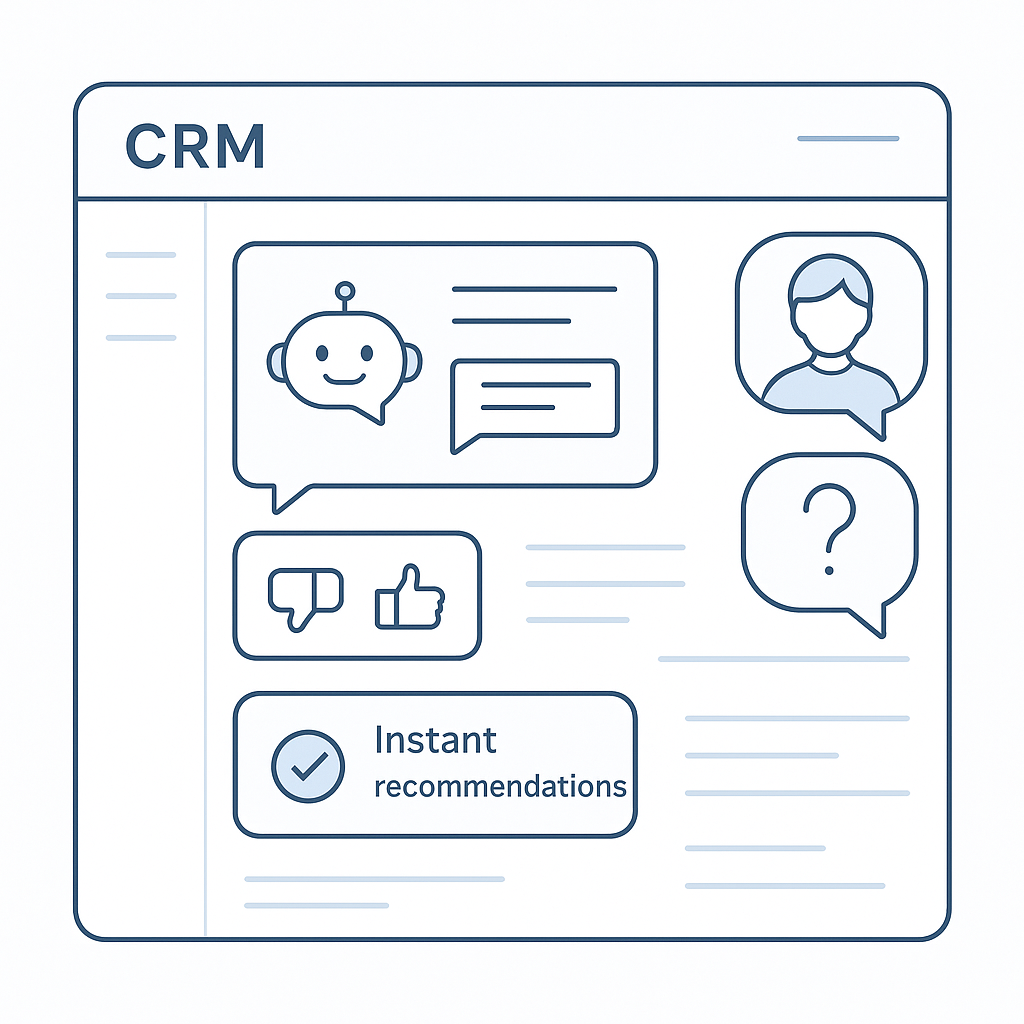
AI-powered chatbots designed for African markets can handle customer inquiries in multiple local languages while understanding cultural contexts and business practices. These chatbots provide 24/7 support across different time zones and can escalate complex issues to human agents when needed.
Virtual assistants integrated with African CRM systems can help sales teams prepare for meetings by providing cultural insights, customer history, and locally relevant talking points.
Improving Customer Retention in African Markets
AI helps identify customers at risk of churning by analyzing behavior patterns specific to African markets. The system can detect early warning signs like reduced mobile money activity, decreased engagement with local promotions, or changes in communication preferences.
Proactive retention strategies can then be deployed, such as personalized offers, culturally relevant content, or direct outreach from local representatives who understand the customer's specific context and needs.
Integration with African Business Ecosystems
Modern AI-powered CRM platforms integrate seamlessly with popular African business tools including mobile money systems, local e-commerce platforms, and regional communication channels. This integration provides comprehensive customer views that include all touchpoints relevant to African business environments.
These integrated systems enable African businesses to serve customers more effectively while maintaining consistency across all interaction channels and business platforms.
Addressing African Market Challenges
Implementation challenges in African markets include ensuring data privacy compliance across different regulatory frameworks, managing multiple currencies and languages, and working with varying levels of digital infrastructure.
Choose CRM platforms that understand African market requirements and offer features like offline functionality, mobile-first design, and support for local business practices and regulatory requirements.
The Future of CRM in Africa
The future of AI-powered CRM in Africa includes enhanced understanding of local languages and dialects, better integration with African financial systems, and improved support for cross-border business operations across the continent.
Conclusion: CRM as Africa's Customer Success Engine
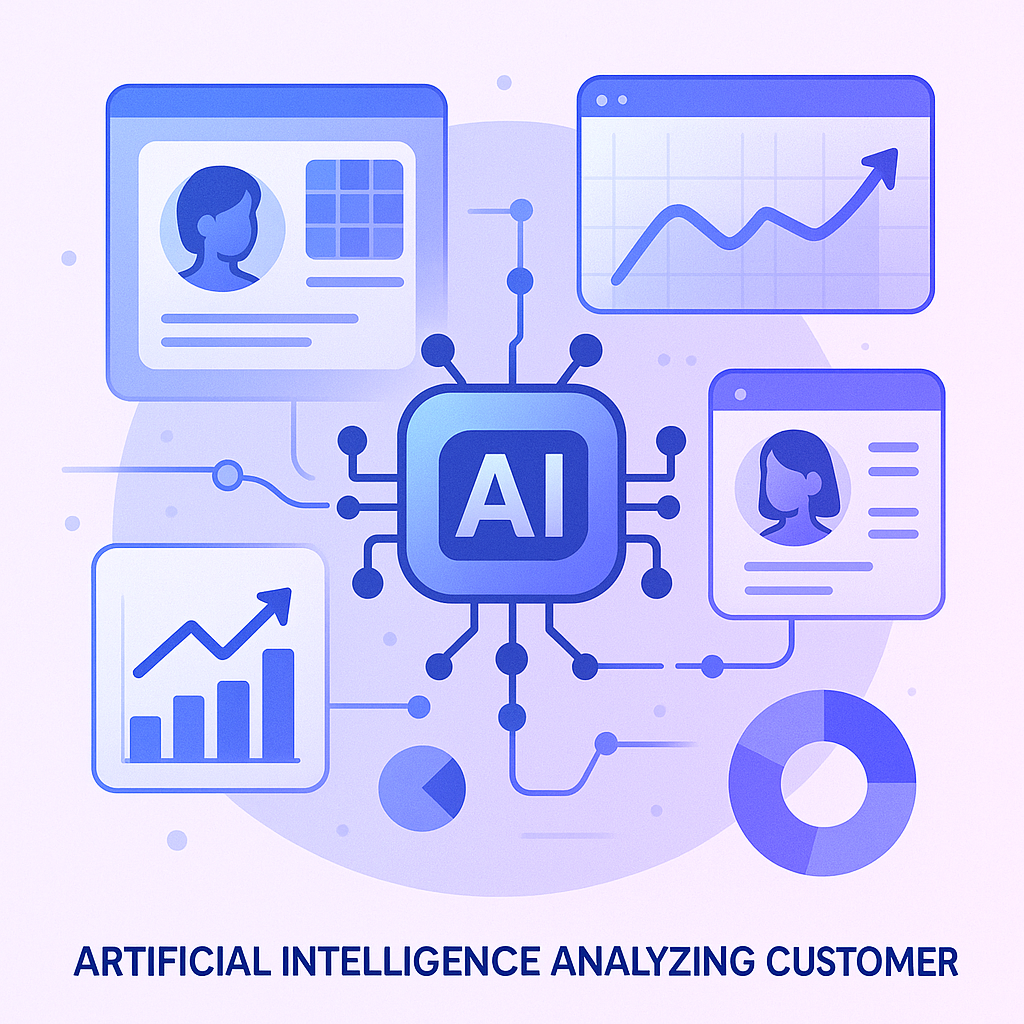
AI integration with CRM systems is transforming how African businesses understand, serve, and retain customers. By combining global AI capabilities with deep understanding of African markets, these systems enable businesses to build stronger customer relationships while scaling operations across the continent.
The future of customer relationship management in Africa lies in intelligent, culturally aware systems that respect local contexts while providing world-class customer experiences. Businesses that embrace this approach will be best positioned to succeed in Africa's growing markets.